By Evan Amell
•
August 20, 2026
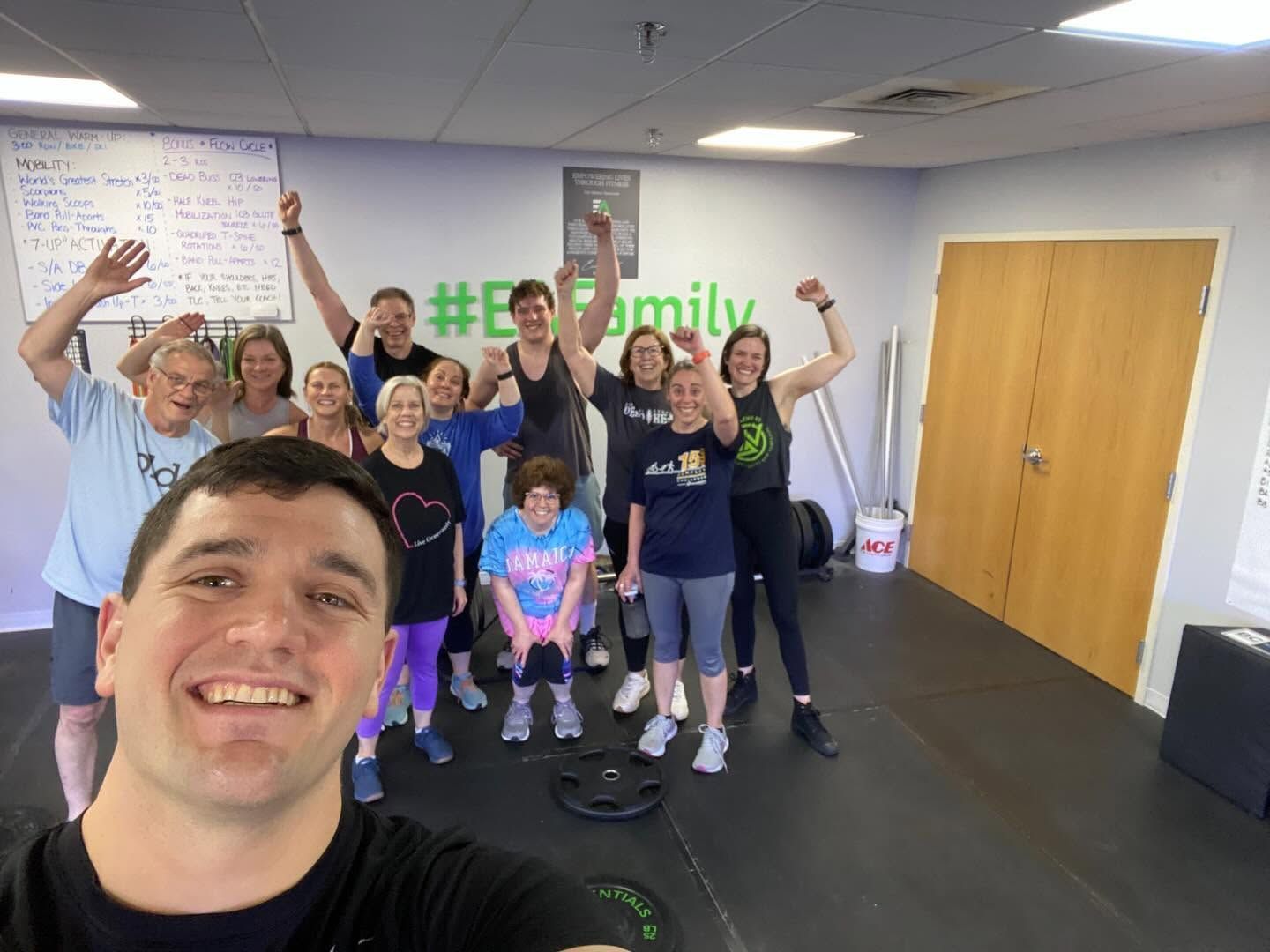
The Reticular Activating System: The Brain Hack That Can Change Your Fitness Journey Have you ever bought a new car and then suddenly noticed that same make and model everywhere? It probably didn’t appear overnight. You simply started noticing it. That’s your brain at work. A similar process can happen when you set a clear fitness goal. Suddenly, you may notice the extra time in your schedule, the healthier choice at lunch, the opportunity to take a walk, or the strength you didn’t realize you still had. This is where the reticular activating system , or RAS , comes in. And no, it’s not a magic switch that guarantees results. But understanding how your brain filters information can help you change what you notice, what you focus on, and how you respond throughout your fitness journey. Especially after 40. Because if you feel stuck, unmotivated, or frustrated that you’ve “failed” at fitness before, you’re not alone. Your challenge may not be a lack of willpower. You may simply need a clearer target and better support around you. Let’s talk about how to create both. 🧠 What Is the Reticular Activation System? In simple terms, the RAS is part of your brain’s attention and alertness network. It helps regulate wakefulness and plays a role in deciding which information deserves your attention. Your brain receives an overwhelming amount of sensory input every moment: sounds, sights, conversations, movement, thoughts, and signals from your body. You can’t consciously process all of it. So your brain uses filters. The RAS helps determine what gets brought forward and what fades into the background. Think of it like a security guard at the entrance of a very busy building. Thousands of people may be trying to enter, but only certain information gets waved through as important. Your goals, beliefs, habits, and surroundings influence what your brain treats as important. That’s why you notice your new car everywhere. And it’s why a clearly defined fitness goal can change your awareness. If your goal is simply “get in shape,” that target may be too vague. Your brain doesn’t have enough direction. But if your goal is: > “I will complete three strength workouts each week for the next eight weeks so I can feel stronger carrying groceries and playing with my grandchildren,” you’ve given your brain something specific to look for. Now what about you? What would your brain notice if your goal were clear enough? Why You May Be Missing Fitness Opportunities Many people don’t struggle because fitness opportunities don’t exist. They struggle because those opportunities aren’t being filtered as important. You may walk past the gym without considering it. You may have a free 30-minute window but spend it scrolling because movement wasn’t part of your mental priority list. You may feel tired and automatically assume that means you can’t train. Your brain often follows the story you repeat. If you tell yourself: “I’m too old to get strong.” “I never stick with anything.” “I don’t have enough time.” “My body just doesn’t respond anymore.” “I’ve already failed too many times.” your attention may begin collecting evidence to support those statements. Stop. That doesn’t mean your challenges aren’t real. Work, family responsibilities, old injuries, stress, and changing recovery needs can all make fitness more complicated after 40. But your current circumstances don’t have to become your permanent identity. A more useful statement might be: > “I’m learning how to train in a way that fits my body and my life now.” That shift matters. Your goal isn’t to pretend everything is easy. Your goal is to help your brain notice the next useful step. How to Program Your RAS for a Better Fitness Journey You can’t flip a switch and rewire your brain in one afternoon. But you can repeatedly direct your attention. Over time, that makes fitness-related choices, cues, and opportunities easier to recognize. Here are five practical ways to get started. 1. Write a specific goal “Get healthier” is a meaningful desire, but it’s not a clear target. Make it more specific. Try answering: What do you want to improve? How often will you take action? When will you begin? Why does this matter to you? How will you know you’re making progress? For example: > “I will complete two small group training sessions and one walk each week for the next month so I can improve my strength, energy, and confidence.” That goal gives your brain clear signals. You may begin noticing available class times, open spaces in your schedule, comfortable walking routes, or small choices that support your plan. Write it down. Keep it visible. Review it regularly. Your brain needs a target. 2. Visualize the process: not just the outcome Visualization works best when it helps you mentally rehearse the steps you need to take. Don’t only imagine a future version of yourself. Picture what happens today. Spend 30 to 60 seconds imagining: Putting on your workout clothes Walking into your training session Completing your warm-up Performing each exercise with good form Asking your coach for help when you need it Finishing the workout feeling proud that you showed up This makes the process more familiar. And when something feels familiar, it often feels more approachable. You don’t have to visualize a perfect workout. You only need to picture yourself beginning. 3. Use positive statements that feel believable Affirmations aren’t magic spells. They work best as reminders that direct your attention toward the person you’re becoming and the actions you’re willing to take. Try statements such as: “I am capable of getting stronger at my current age.” “I keep promises to myself through small, consistent actions.” “I notice opportunities to move throughout my day.” “I can train intelligently without needing to punish myself.” “Progress matters more than perfection.” Choose one that feels encouraging but believable. Then connect it to an action. Say, “I’m someone who takes care of my body,” while filling your water bottle or putting your gym bag by the door. The statement becomes more powerful when your behavior supports it. 4. Focus on progress instead of perfection Your brain will notice what you repeatedly measure. If you only measure body weight or appearance, you may overlook important wins. What else could count as progress? ✅ You lifted a little more than last month. ✅ You moved with less stiffness. ✅ You recovered well after training. ✅ You made a balanced meal during a busy week. ✅ You attended your session even though motivation was low. ✅ You felt more confident using an exercise that once intimidated you. Fitness after 40 should not be a daily test of how much discomfort you can tolerate. It should help you build strength, confidence, mobility, energy, and trust in your body. Look for those wins. Your brain will begin looking for more of them. 5. Surround yourself with helpful cues Your environment is always sending your brain messages. Make the healthy choice easier to notice and easier to begin. Try these simple changes: Put your gym clothes out the night before. Keep your training shoes where you’ll see them. Set a calendar reminder for your workout. Keep a water bottle on your desk. Place nourishing foods where they’re easy to reach. Write your weekly training schedule somewhere visible. Spend time with people who support your goals. Work with a coach who helps you stay accountable. This is one reason community matters so much. When you’re surrounded by people who are working toward their own goals, fitness becomes part of your normal environment: not something you have to force yourself to remember. At EA Fitness & Performance , personal attention and community work together. Your coach can help you create a plan that fits your experience, schedule, limitations, and goals. Our small group training sessions add structure, encouragement, and connection. You don’t have to do this alone. A Simple Daily R.A.S. Reset Try this five-minute routine each morning: Read your goal. Make sure it’s specific and connected to something meaningful. Visualize today’s action. Picture yourself starting and completing the next step. Repeat one supportive statement. Choose something realistic and encouraging. Identify one opportunity. Ask, “Where can I move, prepare, or make a better choice today?” Set up one cue. Put out your clothes, schedule your session, or prepare a healthy meal. That’s it. Small signals, repeated consistently, can help shift your attention. And when your attention changes, your choices often become easier to see. Your Brain Is Not the Enemy If you’ve struggled with fitness in the past, it’s easy to label yourself as lazy, inconsistent, or incapable. But your brain may simply be protecting familiar patterns. The good news? Familiar patterns can change. You can teach yourself to notice strength instead of limitation. Preparation instead of procrastination. Progress instead of failure. That doesn’t mean every day will be easy. Some days you’ll be tired. Some weeks will get disrupted. Life will happen. The goal is not perfection. The goal is to keep giving your brain a clear, supportive direction to follow. At EA Fitness & Performance, we help you turn that direction into a practical plan through personalized training , accountability, community, and nutrition coaching . You bring your starting point. We’ll help you build the next step. Ready to create a fitness target your brain can recognize: and your body can work toward? Get started with EA Fitness & Performance . You’re not starting over. You’re starting with more experience, more awareness, and a better understanding of what you need now. Keep going. Your next opportunity may already be there. You just need to notice it. 💪 : Evan