Your Shoes Are Causing Foot Issues

321go • July 25, 2023

We live in a society where wearing shoes in public places is normal and probably for good reason since it would be not hygienic. Walking barefoot on public grounds/floors would be a recipe for athlete’s foot and plantar warts. So it’s understandable that we walk with shoes on for most of the day.

However, that doesn’t go without consequences. 87% of humans will experience some form of foot issues at some point in their life. Part of the contributing factor is your shoes for two reasons.

1) The width of your shoes

Most of the shoes out there are too narrow which bring your toes closer together then they are supposed to. This can lead to bunions and other anatomical deformities in the foot that can cause injury and make your feet less stable on the ground. Below is a picture of how spread apart your toes should be!
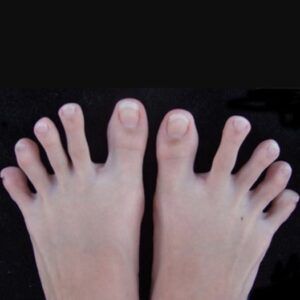
A close up of a person 's feet with a black background

2) The cushion in your shoes

The more support your shoes have, the less your foot muscles have to work when you are walking, running, or lifting.   Which can be good in some cases if you are dealing with acute foot issues. However, like any other muscle group, they need to be trained.  Shoes often become a crutch for foot dysfunction which doesn’t just lead to foot injuries but also knee, hip, and back issues potentially.  A recent study actually showed people who experienced plantar fasciitis actually had signs of tendonosis of the plantar fascia when evaluated which means the discomfort might have been caused by  the tissue degenerating and becoming too weak to support the foot.

So what should you do?

Well first, get a wide toe box shoe that allows you spread your toes and perhaps purchase a toe spreader that you wear 30 minutes per day to get your toes aligned in optimal position.  The second thing you should do is incorporate foot strengthening exercises that include:

**Do 3 x 10 reps of each 2-3x/week

Towel curls – put towel down on hard surface and use your toes to curl up the towel as much as possible

Bodyweight Squats(Barefoot)- While performing the squat, think about grabbing the floor with your toes and maintain the foot tension throughout the movement

Calf Raises(Barefoot)- Feet relatively close together, press through pads of feet to elevate heels off the ground and think about grabbing the floor to maintain foot tension throughout the movement

If you are experiencing tightness or discomfort in your feet I recommend using a lacrosse ball and rolling out the plantar fascia area for 5 mins per foot before performing the exercises!

If you want to learn more about what you can do to improve your foot health, you know where to find me!

Coach Evan

References:

The Foot Collective

recent posts

By Evan Amell • October 1, 2026
Whole Foods, Real Results You know you should probably eat more whole foods. But then life happens. Work runs late. The kids need dinner. You’re hungry, tired, and standing in the kitchen wondering what can be ready in five minutes. Reaching for something packaged or ordering takeout doesn’t make you lazy. It makes you human. Still, if your goals include losing weight, improving your health, and feeling stronger after 40, the quality of your food matters more than you may realize. Not because any single food is “good” or “bad.” And not because you need to follow a perfect meal plan. Whole foods simply give your body more of what it needs: and make it easier to feel satisfied without constantly counting calories. So, what exactly are whole foods? And how can you eat more of them when your schedule is already full? Let’s break it down. 🥦 What Are Whole Foods? Whole foods are foods that are close to their natural state and haven’t been heavily altered. That includes: Vegetables Fruit Meat and poultry Fish and seafood Eggs Dairy products such as Greek yogurt and cottage cheese Nuts and seeds Beans, peas, and lentils Whole grains such as oats, brown rice, quinoa, and barley Some foods are processed without being a problem. Frozen vegetables, canned beans, plain yogurt, and pre-cut produce can all support a healthy diet. The bigger concern is highly processed food that has been significantly changed and engineered to be extremely easy to overeat. These foods often combine refined carbohydrates, added sugar, salt, fat, and strong flavors in a way that keeps you reaching for “just one more.” Stop. This isn’t about guilt. It’s about understanding what makes your choices easier or harder. Whole foods tend to come with more fiber, water, protein, and nutrients. Highly processed foods often deliver a lot of calories quickly without creating the same level of fullness. That difference matters. Why Whole Foods Can Help With Weight Loss Weight loss is not just about willpower. Your food choices influence hunger, fullness, energy, and how easy it is to stay consistent. Whole foods support these areas in several important ways. 1. They help you feel fuller Vegetables, fruit, legumes, and whole grains contain fiber. Fiber adds bulk to your meals and slows digestion, which can help you stay satisfied longer. Protein has a similar advantage. Chicken, fish, eggs, Greek yogurt, lean meat, beans, and lentils can help you feel more satisfied after eating while also supporting muscle. When you build a meal around protein and fiber, you’re less likely to find yourself searching the pantry an hour later. 2. They’re often lower in calorie density Calorie density refers to how many calories a food contains in a given amount of weight or volume. Vegetables and fruit contain a lot of water and fiber, so you can often enjoy a generous portion for relatively few calories. Compare that with a small handful of highly processed snacks that may contain many calories without filling you up. This is one reason a plate full of vegetables, protein, and a whole-food carbohydrate can support weight loss without leaving you feeling deprived. You get more volume. More chewing. More satisfaction. And usually, fewer calories without needing to measure every bite. 3. They provide more protein per meal As you get older, preserving muscle becomes increasingly important. Muscle supports strength, balance, independence, metabolism, and your ability to stay active. Weight loss that comes primarily from muscle is not the goal. Adequate protein, combined with resistance training, can help you preserve lean muscle while losing body fat. That’s why we encourage you to include a protein source at every meal. Try: Eggs with vegetables at breakfast Greek yogurt with berries and nuts Chicken or fish at lunch Lean meat, beans, or lentils at dinner Cottage cheese or a simple protein-rich snack when needed Your body needs the building blocks. Give it some. 4. They’re less likely to trigger mindless eating Many highly processed foods are designed to be convenient, intensely flavorful, and easy to eat quickly. That doesn’t mean you can never enjoy them. It does mean they may be harder to eat casually and stop when you’re satisfied. Whole foods usually require more chewing and take longer to eat. A bowl of berries, yogurt, and nuts feels different from eating a sweet snack straight from a large package. Over time, these small differences can make it easier to manage portions naturally. Whole Foods Support More Than the Number on the Scale Weight loss may be your first goal, but it shouldn’t be your only measure of progress. A whole-food eating pattern can support several areas of health that become especially important in your 40s, 50s, and beyond. More stable blood sugar Meals built around protein, fiber, and minimally processed carbohydrates are generally digested more slowly than meals dominated by refined carbohydrates and added sugar. That can support steadier energy and help reduce the cycle of a quick boost followed by a crash. Healthier cholesterol and blood pressure Vegetables, fruit, legumes, whole grains, nuts, seeds, fish, and other nutrient-dense foods can contribute to a heart-supportive eating pattern. Fiber may help support healthy cholesterol levels. Eating more whole foods can also make it easier to reduce excess sodium, added sugar, and heavily processed fats. Better digestion Fiber supports regular digestion and feeds beneficial bacteria in your gut. If you currently eat very little fiber, increase it gradually and drink enough water. Your body may need time to adjust. More consistent energy Have you ever eaten lunch and felt exhausted soon afterward? A meal with protein, vegetables, and a satisfying whole-food carbohydrate may help you feel fueled without the same heavy, sluggish feeling that often follows a highly processed meal. Better sleep and recovery Food isn’t a magic sleep cure. But regular meals, adequate protein, enough fiber, and a balanced intake of nutrients can support your overall recovery routine. Better recovery helps you train consistently. Consistent training helps you build strength. It all connects. Support for joints and active living A diet rich in vegetables, fruit, fish, nuts, seeds, and other nutrient-dense foods can help support overall health and a healthy inflammatory response. That matters when you want to keep walking, lifting, gardening, playing with your kids or grandchildren, and doing the activities you enjoy. The Practical Challenge: Whole Foods Take Planning Here’s the honest truth: processed food is convenient. It’s packaged. It’s ready to eat. It’s everywhere. Whole foods often take a little more thought. You may need to shop, wash, chop, cook, or assemble. That can feel like a lot when you’re already busy. But you don’t need a perfect meal-prep routine. You need a few reliable systems. Start with these simple habits: ✅ Build meals around protein first. Ask, “What’s my protein?” before deciding on the rest of the meal. ✅ Aim for protein at every meal. This can be eggs, fish, chicken, lean meat, Greek yogurt, cottage cheese, beans, lentils, or another option you enjoy. ✅ Fill about half your plate with vegetables. Fresh, frozen, roasted, sautéed, or steamed all count. Choose the format you’re most likely to eat. ✅ Prep one or two things on Sunday. You don’t need to cook twelve meals. Try preparing hard-boiled eggs, roasted vegetables, cooked grains, or a batch of chicken. ✅ Keep easy whole-food options available. Convenience matters. Stock your kitchen with: Hard-boiled eggs Rotisserie chicken Pre-cut vegetables Plain Greek yogurt Berries Nuts Canned tuna or salmon Frozen vegetables Beans and lentils Oats ✅ Read the ingredient label. You don’t need to understand every nutrition claim on the front of a package. Look at the ingredient list. If it’s extremely long and filled with ingredients you don’t recognize, consider whether a simpler option would work. ✅ Use the 80/20 approach. Let whole foods make up most of your diet. Enjoy other foods without guilt the rest of the time. That’s not failure. That’s balance. A Simple Whole-Food Day What could this look like in real life? Breakfast: Eggs with spinach and whole-grain toast, plus berries. Lunch: A chicken and vegetable bowl with brown rice, beans, salsa, and avocado. Snack: Greek yogurt with berries and a small handful of nuts. Dinner: Salmon, roasted vegetables, and potatoes or quinoa. Dessert or treat: Something you genuinely enjoy. No complicated rules. No elimination list. No starting over on Monday. Just meals that provide protein, fiber, nutrients, and satisfaction. You Don’t Have to Eliminate Everything Let’s be clear: no single food determines your health. You don’t need to eliminate bread, pasta, dessert, dairy, or your favorite family meals. You don’t need to label yourself as “perfect” or “off track.” Instead, focus on crowding in better options. Add vegetables to lunch. Put protein in your breakfast. Choose fruit when you want something sweet. Keep easy ingredients ready so you’re not making every decision while hungry. The goal is not restriction. It’s creating a food environment that makes your goals easier to support. Pair Nutrition With Personalized Training Nutrition and exercise work best together. Eating more whole foods can support your energy, recovery, and body-composition goals. Personalized training can help you build strength, improve movement, and preserve muscle as you age. At EA Fitness & Performance , our certified nutrition coaches help you build sustainable habits: not crash diets or overly restrictive plans. Nutrition coaching can also be paired with personalized training , so your food and workouts support the same goals. You don’t have to figure everything out alone. A coach can help you turn general advice into practical choices for your schedule, preferences, health needs, and goals. Learn more about nutrition coaching at EA Fitness & Performance . Your Next Step Don’t try to rebuild your entire diet overnight. Start with one meal. At your next breakfast, add protein. At lunch, include a vegetable. At dinner, swap one highly processed side for a whole-food option. Small choices become routines. Routines become results. And results don’t come from being perfect. They come from consistently giving your body the support it needs. You can do this: one meal, one choice, and one day at a time. 💪 Evan Amell Owner, EA Fitness & Performance
By Evan Amell • September 24, 2026
More Than a Number: Why Meaningful Goals Are the Difference Between Starting and Succeeding 
By Evan Amell • September 17, 2026
Whole Foods, Real Results: Why What You Eat Matters More Than You Think